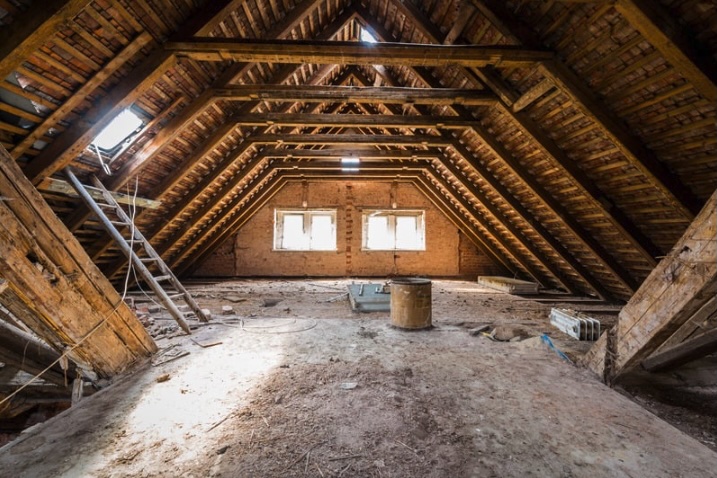
Installing an HVAC system in your attic space can be a smart way to save floor space, improve comfort and support a cleaner layout inside your home.
Homes across the Jersey Shore often turn to attic air conditioning or a combined heating and cooling system when interior square footage is limited or existing ductwork is set up for an overhead design.
Still, an attic carries its own set of challenges. Extreme heat in summer, cold winters, limited working room and strict local building codes all influence the success of the project.
A professional installation from licensed technicians is essential, and choosing the right HVAC technician or company shapes long-term comfort, energy efficiency and maintenance needs.
Understanding How an Attic Impacts HVAC System Performance
Attics in our area often swing from extreme heat in the warmer months to extreme temperatures on the coldest days. This affects how an HVAC system operates. Any air conditioning unit or heat pump installed upstairs must be able to handle those conditions without sacrificing efficient cooling or efficient heating.
Proper sizing, insulation and ventilation play a major role. A system that is too small struggles to produce cool air or warm air consistently. A system that is too large cycles too often, increasing energy consumption and reducing its typical lifespan. Because an attic sits outside the main living space, the equipment must be selected with the home’s thermal envelope in mind to ensure optimal performance.
Evaluating the Right Type of Equipment for an Attic
Homeowners in New Jersey use a range of HVAC equipment in attic installations. The best choice depends on layout, existing ductwork, cooling needs and long-term energy costs.
Central Air with Existing Ductwork
If your attic already contains air ducts or was designed for an overhead system, a new HVAC system connected to a central air handler can support both heating and cooling. This setup works well in homes that need consistent temperatures throughout every floor. A gas furnace or heat pump may be included as part of the full system.
Heat Pump Systems
Heat pumps are popular in attic installations due to technological advancements that allow them to operate efficiently across most seasons. They provide both heating and cooling while keeping energy consumption steady. Several models offer strong seasonal energy efficiency ratio ratings, which reduce energy bills.
Ductless Mini Split Systems
Ductless mini splits or a full ductless mini setup can be an efficient solution for cooling individual rooms or supplementing an old system already in place. Many homeowners prefer mini split air conditioners in attic conversions or areas where installing new ductwork isn’t practical. These units support efficient operation and avoid the air loss common with older ducts.
Comparing to Window Air Conditioners
Some homeowners consider window air conditioners for attic rooms, but they rarely provide efficient cooling across the full space and often lead to uneven temperatures. A professionally installed cooling system is almost always more cost effective over the long term.
Ventilation, Airflow and Moisture Control in the Attic
Any attic HVAC system based installation must be paired with proper ventilation. Adequate ventilation reduces heat buildup, lowers strain on the equipment and protects indoor air quality. Without this, airflow becomes restricted, cooling costs rise and the risk of mold growth increases.
Air ducts, air filters and insulation must be evaluated together. A pro should inspect for gaps that might pull warm air into the system, potentially leading to more humidity, and costly repairs later.
Proper sizing is one of the most important considerations. Your HVAC technician should perform full load calculations, taking into account attic conditions, the home’s age, insulation levels and room usage. The result should guide the size of the ac unit, air handler or heat pump needed to maintain a comfortable temperature across every season. A system chosen without this evaluation often leads to uneven temperatures, energy waste or premature breakdowns.
Energy Efficiency and Long-Term Costs
Energy efficiency should always guide the selection of a new hvac system or cooling units. Your installer should explain seasonal energy efficiency ratio ratings, heating performance factors and projected energy consumption based on your home’s size and layout. The average hvac installation cost can vary depending on the system type, attic access, necessary permits, the condition of the attic and how much ductwork needs modification.
An energy efficient system reduces long-term energy bills, cuts down cooling costs and supports more consistent temperatures in both summer and winter. A professional installation is key for optimal performance.
Questions to ask:
• How does the recommended system improve energy savings compared to my old system?
• What impact will this equipment have on energy costs?
Local Building Codes, Permits and Safety Requirements
In our service area, local building codes outline how attic hvac system installation must be performed. These codes cover access requirements, electrical needs, duct insulation, condensate drainage and fire safety. A licensed contractor ensures each part complies before installation begins.
Permits are often required for attic work involving an air conditioning unit, gas furnace, heat pump or major electrical updates. Skipping these steps leads to complications during home sales, inspections or warranty claims.
Attic systems must remain accessible for regular maintenance. Your installer should confirm that filter changes, tune-ups and repairs can be completed safely and without dismantling major attic structures. Good indoor air quality depends on easy access to filters and ventilation components.
Addressing Insulation, the Home’s Thermal Envelope and Ductwork
Insulation is closely linked to how well an attic cooling system or heating system performs. The attic’s thermal envelope must support efficient operation in extreme temperatures. If insulation is lacking or air ducts show leakage, the installer should address these issues before mounting the hvac unit.
Existing ductwork may need sealing, replacement or resizing to allow smooth delivery of cold air or warm air throughout the home.
Questions to ask:
• Do my air ducts need repairs or replacement before installation?
• How will insulation upgrades help maintain consistent temperatures?
Any new system should offer long-term value. Ask your installer about the typical lifespan of the proposed hvac equipment and what ongoing regular maintenance will look like.
Why Work with All Air Systems for Attic Installations
Attic installations require knowledge of structural limitations, airflow constraints, insulation challenges and the unique conditions found in local homes. All Air Systems offers licensed technicians trained to evaluate these factors and recommend options based on real-world conditions in our service area. You gain clear answers to your questions, a system built for efficient heating and cooling and a team that stands behind the work performed.
Our goal is simple: create a comfortable temperature throughout your home with an efficient solution that operates reliably, reduces energy bills and avoids unnecessary strain during extreme heat or winter cold.
If you’d like help installing an hvac system in your attic space or want an evaluation of your current setup, contact All Air Systems to schedule an on-site assessment. We’ll guide you through system options, explain costs that may vary depending on layout and design and provide transparent recommendations tailored to your home.