As winter winds down in Monmouth County, your heating and cooling equipment is about to shift into a new season of demand.
Before warmer days arrive in Red Bank, Freehold, Middletown, and surrounding towns, now is the time to review your HVAC system and schedule a professional HVAC inspection.
Spring HVAC checks help prevent costly repairs, improve energy efficiency, and keep your system running efficiently when you need it most. Below is a practical HVAC inspection checklist property owners can review before scheduling annual inspections with a licensed HVAC technician.
Start With a Basic Visual Inspection of Your HVAC Unit
Before turning on your air conditioner for the first time this season, take a few minutes to inspect the visible parts of your HVAC unit.
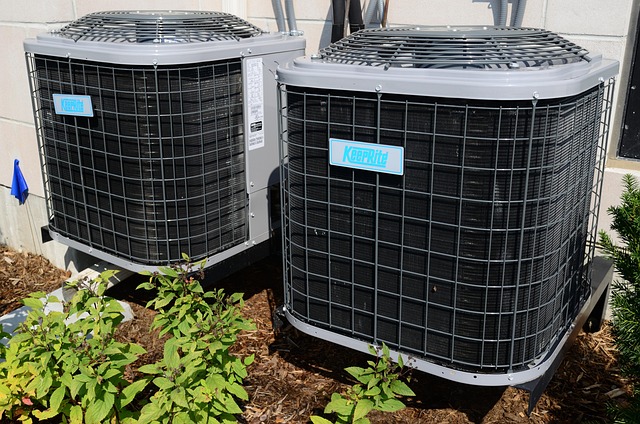
Check the Outdoor Unit
Your outdoor unit has likely collected debris buildup over the winter. Look for:
- Leaves, branches, and dirt around the condenser coils
- Signs of dirty coils
- Damage to refrigerant lines
- Loose connections or exposed wiring
Clear at least two feet around the unit to promote proper airflow. Restricted airflow reduces system efficiency and places extra strain on major components.
Inspect the Condensate Drain and Drain Line
A clogged condensate drain or drain line can cause water damage and mold growth. Check for standing water near the indoor unit and make sure condensate drain lines are clear.
If you notice moisture, musty odors, or slow drainage, this is something a professional should address during routine inspections.
Replace Dirty Air Filters
One of the most overlooked HVAC checks involves air filters.
A dirty filter restricts proper airflow, impacts indoor air quality, and reduces system performance. It can also lead to uneven heating and airflow problems throughout your home or commercial space.
In many Monmouth County properties, air filters should be replaced every one to three months depending on usage, pets, and building size. Fresh filters help your system operate at peak efficiency and support cleaner indoor air as allergy season begins.
Test Thermostat Settings and Controls
A simple thermostat check can reveal minor issues before they become expensive repairs.
- Confirm thermostat settings are correct for cooling mode
- Replace batteries if needed
- Make sure the system responds when adjusted
- Check for uneven temperatures between rooms
Incorrect thermostat settings can make it seem like your air conditioning or heating system is not functioning correctly when the issue is simply calibration.
If your system operates inconsistently or short cycles, a technician may need to measure voltage and inspect electrical connections.
Listen for Unusual Noises and Strange Sounds
When you turn on your air conditioner or heat pump, pay attention to unusual noises.
Grinding, rattling, buzzing, or strange sounds may point to:
- Faulty electrical connections
- A failing blower motor
- Loose components
- Electrical issues inside the blower assembly
Ignoring these signs can lead to system failures during peak season. A thorough inspection from a trained HVAC technician can identify minor issues before they become major problems.
Inspect Air Vents and Ductwork
Walk through your property and check air vents in each room.
Make sure vents are open, unobstructed, and free from dust buildup. Blocked vents reduce proper ventilation and create uneven airflow.
A ductwork inspection is also important for homes and commercial buildings in Monmouth County, especially older properties. Leaks or disconnected ducts can lower system efficiency and compromise indoor air quality.
If certain areas feel warmer than others once cooling season begins, airflow problems in the ductwork may be the cause.
Check for Signs of Heating System Concerns
Even as temperatures rise, spring is an ideal time for a heating inspection.
Gas furnaces and heating systems should be reviewed for:
- Signs of gas leaks
- Cracked heat exchanger
- Carbon monoxide leaks
- Proper ventilation around combustion equipment
A cracked heat exchanger can pose serious safety hazards, including carbon monoxide exposure. Professional HVAC inspections often include a combustion analyzer test to confirm safe operation.
If you still have previous inspection reports, keep them available. Comparing notes from past annual inspections can help identify patterns and recommended repairs, including when it may be time to consider heating system replacements or repairs.
Examine Key Cooling System Components
Your cooling system relies on several major components working together:
- Evaporator coils
- Condenser coils
- Refrigerant lines
- Blower assembly
Dirty coils reduce peak performance and increase operating costs. Low refrigerant levels or damaged refrigerant lines can strain the AC unit and shorten the equipment’s lifespan.
Regular HVAC inspections in early spring help optimize system performance before Monmouth County humidity sets in.
Look for Warning Signs of Bigger Issues
During your HVAC checks, watch for:
- Air conditioning that struggles to cool
- Uneven heating from your heat pump or furnace
- Musty odors indicating mold growth
- Higher utility bills without increased usage
- Short cycling or system shutting off unexpectedly
These symptoms often point to central air conditioning efficiency concerns or developing mechanical problems.
Preventing costly repairs starts with early detection. Routine inspections allow professionals to address minor issues before they turn into expensive repairs, but sudden breakdowns may still require emergency HVAC repair services.
Why Professional HVAC Inspections Matter in Monmouth County
While basic HVAC maintenance can be handled by property owners, professional HVAC inspections go much deeper.
A licensed HVAC technician will:
- Inspect electrical connections for safety
- Measure voltage and confirm proper operation
- Inspect the heat exchanger
- Check the blower motor and blower assembly
- Clean dirty coils
- Test refrigerant levels
- Inspect condensate drain lines
- Confirm proper ventilation
- Evaluate overall system performance
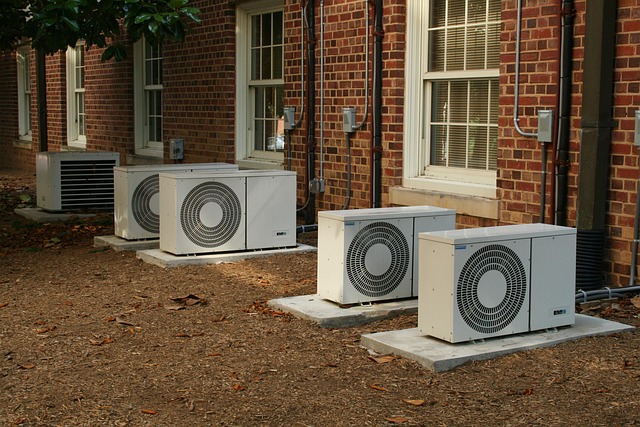
Regular inspections protect against system failures during the busy summer season in coastal and inland Monmouth County communities.
For commercial properties, annual inspections are especially important to keep heating cooling equipment operating reliably for tenants, staff, and customers.
Improve Energy Efficiency Before Summer
Spring HVAC maintenance is not only about preventing breakdowns. It also supports energy efficiency.
An HVAC system running efficiently consumes less energy and maintains consistent comfort. Property owners may also qualify for energy-saving upgrades through NJ energy programs, including incentives for high-efficiency air conditioner, heat pump, and gas furnace replacements.
All Air Systems Heating and Cooling assists Monmouth County homeowners and business owners with participation in NJ energy programs to reduce upfront costs on qualifying equipment upgrades and new HVAC system installations.
If your system is older or approaching the end of its lifespan, a spring inspection is the right time to discuss HVAC upgrade and replacement options.
Schedule Your Spring HVAC Inspection in Monmouth County
From Freehold to Long Branch, Red Bank to Howell, spring HVAC checks protect your property and your budget.
Do not wait for peak summer heat to discover hidden issues inside your HVAC system. A professional air conditioner inspection and heating inspection now can help keep your equipment in tip top shape all season.
All Air Systems Heating and Cooling provides thorough inspections, reliable HVAC services, and complete system evaluations for residential and commercial properties throughout Monmouth County.
Schedule your spring HVAC inspection today and make sure your system is ready for the months ahead.